
Quick answer: Florida's hurricane season brings heavy rain, flooding, and humidity that can seep into unprotected garage floors—causing cracks, moisture damage, mold, and staining. High-quality garage floor coatings create a waterproof, durable barrier that helps your concrete survive storm season and beyond.
Hurricane season in Florida runs from June through November, and it puts your home through a serious test. You probably think about your roof, your windows, and your yard when a storm rolls in. But there's one surface that quietly takes a beating every year: your garage floor.
Bare concrete is far more vulnerable than most homeowners realize. Water, humidity, and shifting temperatures all work against it. Over time, that damage adds up—leaving you with cracks, stains, and repairs that cost far more than prevention would have.
This post breaks down exactly how storm season affects your garage floor and what you can do to protect it. If you live along the Gulf Coast, understanding these risks now can save you a costly headache later.
Key Takeaways
- Florida's hurricane season exposes garage floors to flooding, humidity, and temperature swings that cause cracking, staining, and mold on bare concrete.
- Sealing your concrete with professional garage floor coatings creates a waterproof, easy-to-clean barrier built to handle harsh storm conditions.
- Investing in garage floor coatings Tampa homeowners trust protects your property value and saves money on future repairs.
Why is bare concrete so vulnerable during hurricane season?
Concrete looks tough, but it's actually porous. That means it absorbs water like a sponge. During a hurricane, wind-driven rain and rising floodwater can push moisture straight into your slab.
Once water gets in, it doesn't just dry out and disappear. It expands and contracts with temperature changes, slowly widening tiny cracks until they become big problems. In Florida, where humidity stays high long after a storm passes, that moisture can linger for weeks.
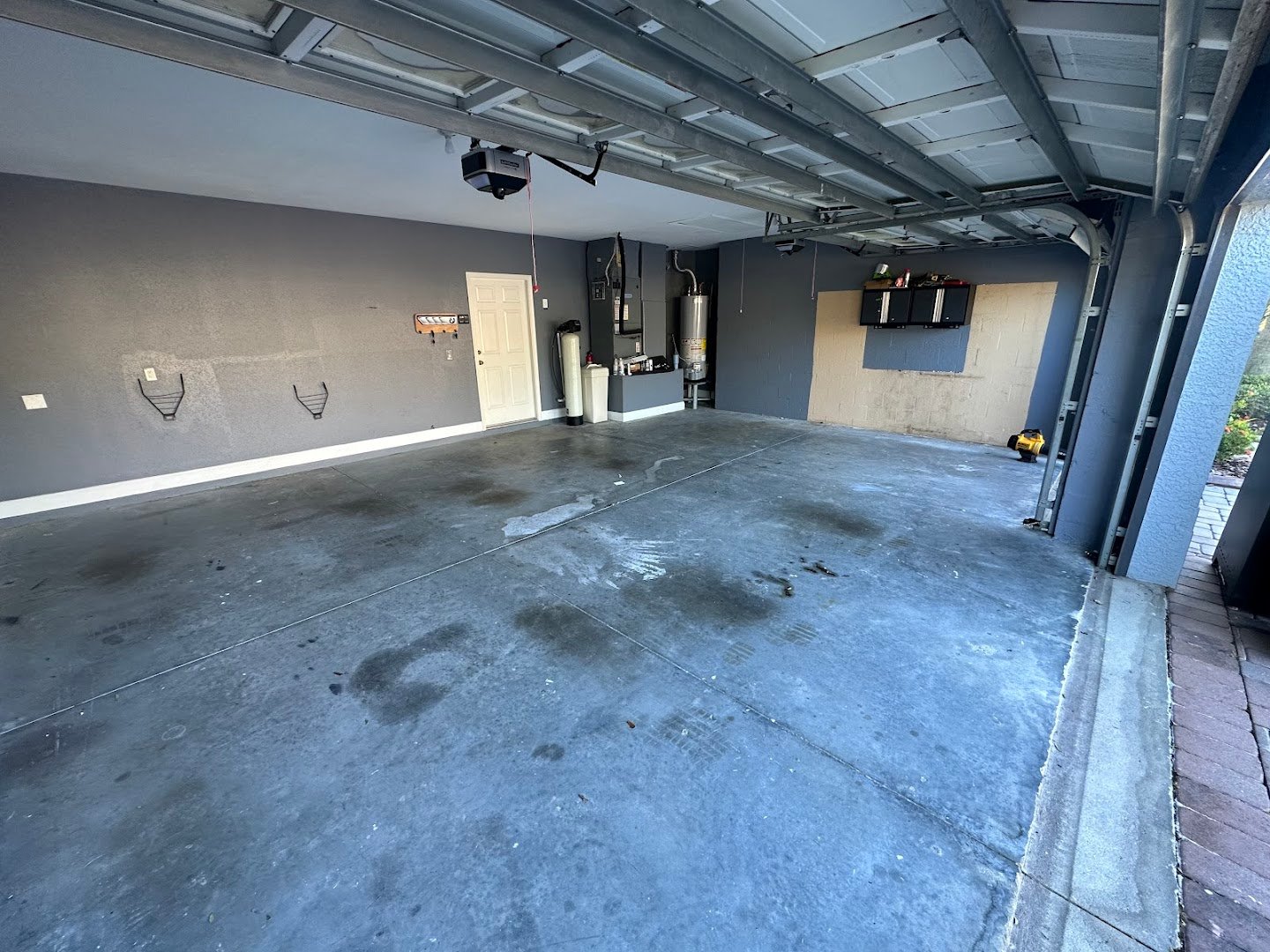
Bare floors also stain easily. Floodwater often carries dirt, oil, chemicals, and debris. When that water sits on unsealed concrete, it leaves marks that are nearly impossible to scrub away.
What kind of damage can hurricanes cause to your garage floor?
Storm season damage shows up in a few common ways. Knowing what to look for helps you catch problems early.
Cracking and spalling
When water seeps into concrete and then expands, it puts pressure on the slab from the inside. This leads to cracking. In severe cases, the surface flakes and chips away—a process called spalling. Once spalling starts, it tends to spread quickly.
Moisture and mold
Trapped moisture is a magnet for mold and mildew. A damp garage floor can grow mold within 24 to 48 hours of flooding. This isn't just unsightly—it can affect air quality and creep into stored items, walls, and shelving.
Staining and discoloration
Floodwater rarely comes clean. It carries oil, fertilizer, and grime from your yard and street. On unsealed concrete, those contaminants soak in and leave permanent stains.
Weakened structural integrity
Repeated cycles of water damage can slowly compromise your slab. Small cracks turn into large ones, and a floor that once looked solid starts to feel uneven and unstable.
How do garage floor coatings protect against storm damage?
The best defense is a strong barrier between your concrete and the elements. That's exactly what garage floor coatings provide.
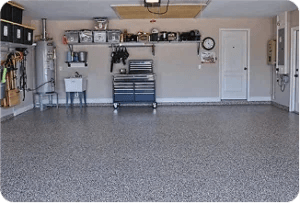
A professional coating seals the porous surface of your concrete, so water can't soak in. This waterproof layer keeps rain and floodwater sitting on top of the floor, where it's easy to wipe away instead of soaking into the slab.
Quality coatings also resist chemicals and stains. If floodwater brings in oil or debris, it won't leave a permanent mark. Cleanup becomes as simple as a quick mop.
Beyond protection, coatings add durability. They stand up to heavy foot traffic, dropped tools, and vehicle tires without chipping or peeling. Many are also slip-resistant, which is a real bonus when your floor gets wet during a storm.
For homeowners in the Tampa Bay area, garage floor coatings Tampa specialists recommend applying these systems before hurricane season begins. Coatings need time to cure properly, so planning ahead matters.
When is the best time to coat your garage floor in Florida?
Timing makes a big difference. The ideal window is before hurricane season starts—ideally in the spring, between the dry winter months and the summer storms.
Coatings require dry, stable conditions to cure correctly. Applying one during high humidity or right before a storm can affect how well it bonds to the concrete. Getting the work done early ensures your floor is fully protected when the first storm arrives.
If you missed the spring window, don't wait until next year. Any dry stretch is better than leaving your concrete exposed for another season.
Is a garage floor coating worth the investment?
For most Florida homeowners, yes. The cost of a professional coating is small compared to the price of repairing water-damaged concrete or replacing a cracked slab.
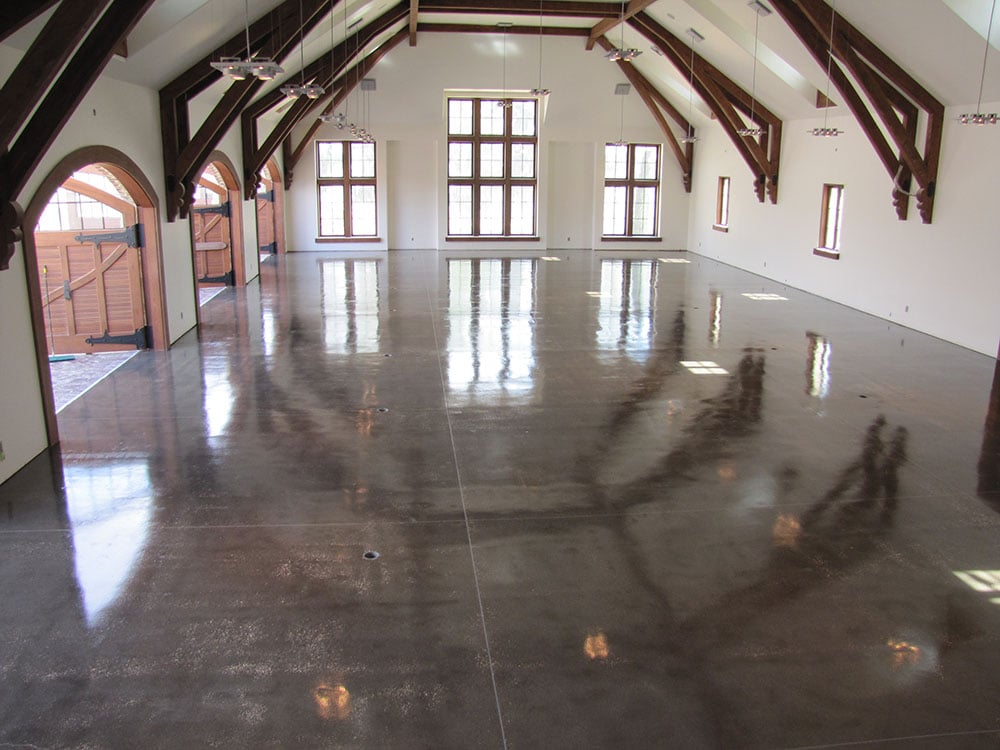
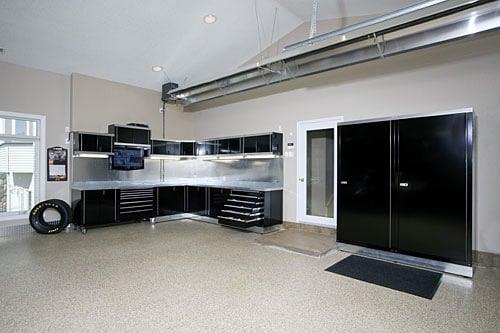
Consider what you gain: a waterproof floor, protection from stains and mold, easier cleaning, and a surface that looks great year-round. A coated garage floor also adds value to your home and makes a strong impression on buyers.
Choose a professional coating if you want long-lasting protection and a finish that stands up to Florida weather. A DIY kit might save money upfront, but it rarely delivers the same durability or warranty that professional garage floor coatings offer.
Protect your garage floor before the next storm
Florida's weather is unpredictable, but your garage floor doesn't have to suffer for it. Sealing your concrete now means fewer worries when the forecast turns rough. You'll spend less time cleaning up after storms and more time enjoying a floor that looks and performs its best.
At Trademark Concrete Coatings, we help Tampa homeowners protect their garages with durable, waterproof finishes built for the Florida climate. Reach out today to schedule a consultation and get your floor storm-ready before the next hurricane season begins.
Frequently Asked Questions
How long does a garage floor coating take to install?
Most professional coatings can be installed in one to two days, depending on the size of your garage and the condition of the concrete. Curing time varies, but many systems are ready for foot traffic within 24 hours and vehicle traffic within a few days.
Can garage floor coatings prevent flooding?
No coating can stop floodwater from entering your garage. What they do is prevent that water from soaking into and damaging your concrete. The floor stays sealed, so cleanup is fast and lasting damage is avoided.
Will a coating fix existing cracks in my garage floor?
Professional installers typically repair minor cracks and surface damage before applying a coating. This creates a smooth, sealed finish. Severe structural damage may need additional work before coating is possible.
How much do garage floor coatings cost in Tampa?
Pricing depends on your garage size, the current condition of the concrete, and the coating system you choose. Contact a local specialist for an accurate quote based on your specific space.
How long do garage floor coatings last?
A quality professional coating can last 15 years or more with proper care. Durability depends on the product used, the quality of installation, and how much traffic the floor sees.