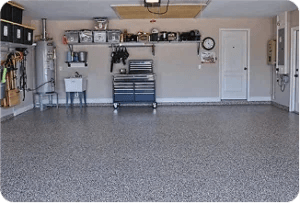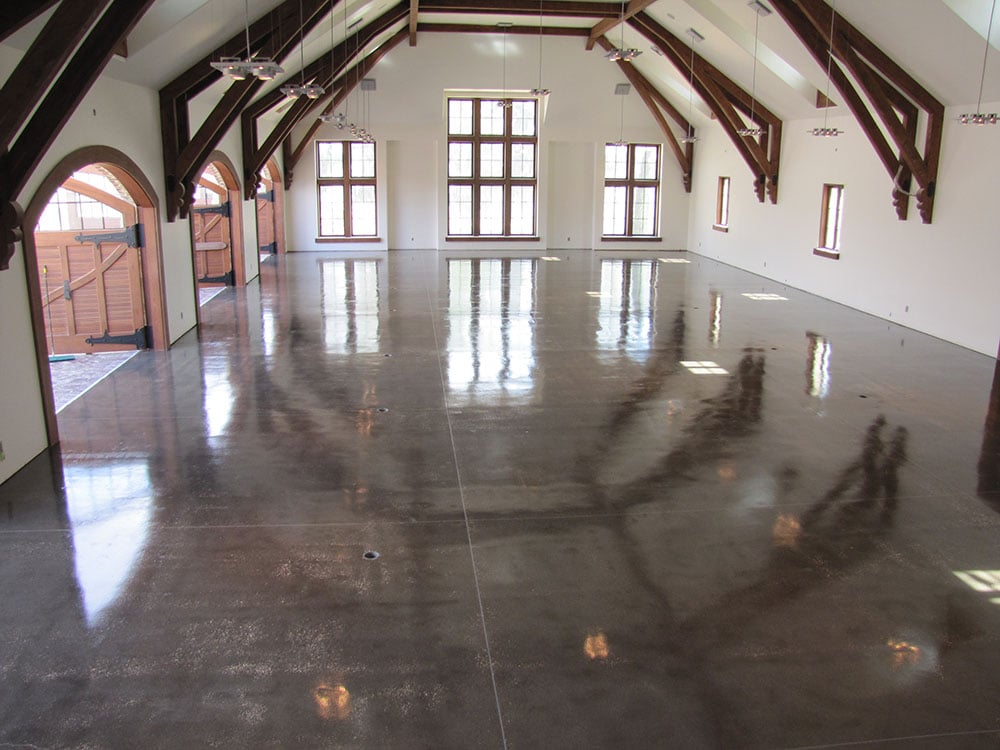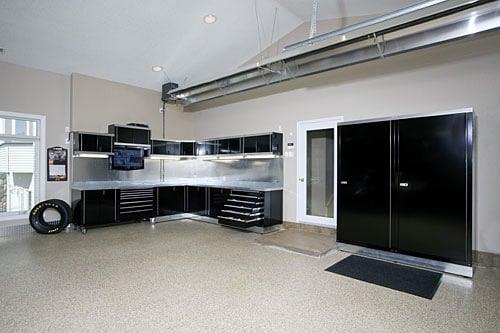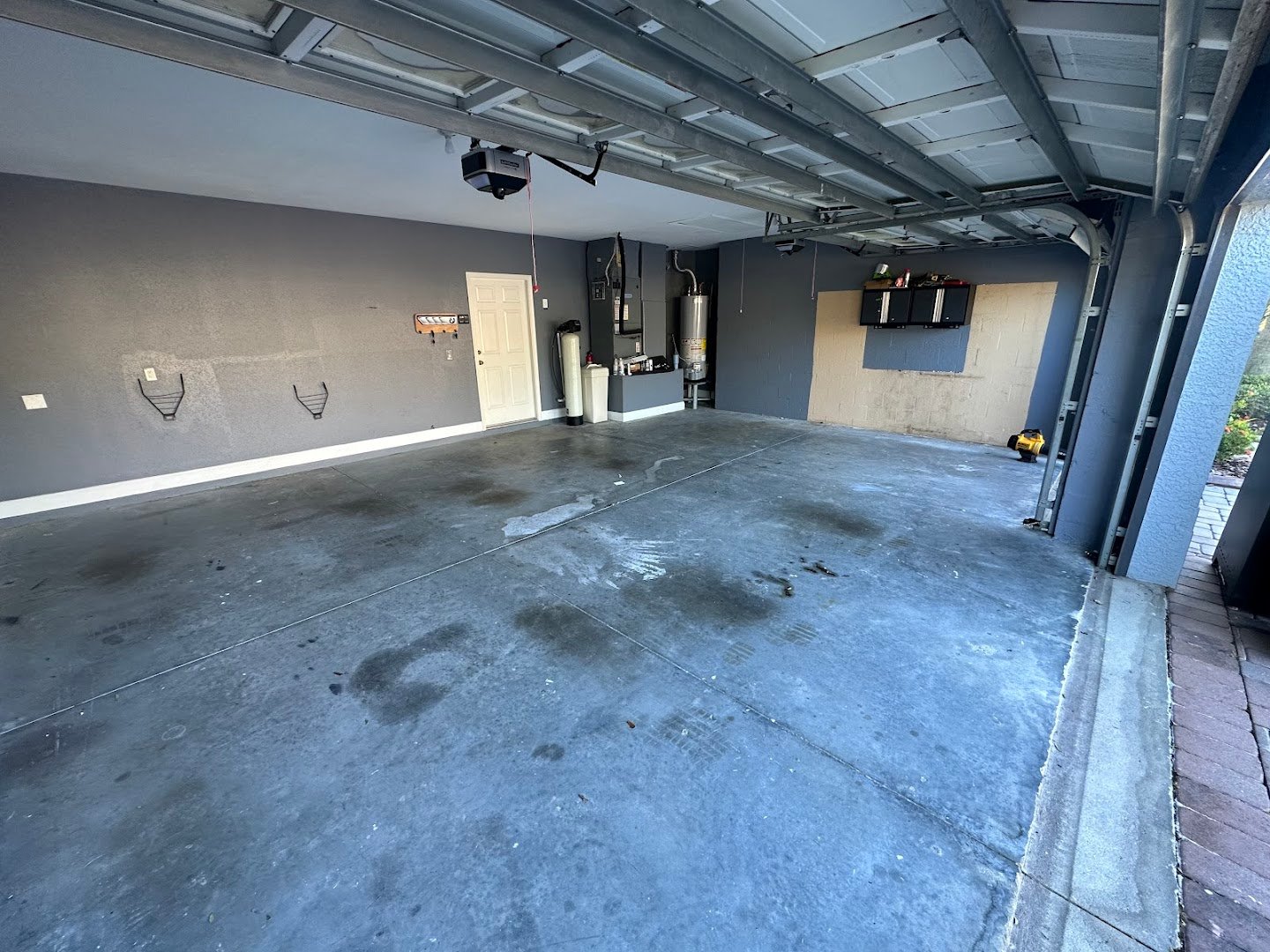
Quick answer: Heavy Florida summer rain reveals hidden concrete walkway problems by seeping into cracks, pooling in low spots, and softening unsealed surfaces. Water exposes issues like spalling, uneven settling, and slippery growth. Protective walkway coatings St Petersburg homeowners trust can seal out moisture and prevent long-term damage.
Key Takeaways
- Florida's intense summer storms expose weaknesses in concrete walkways, including cracks, pooling water, and slippery surfaces that can lead to costly repairs.
- Sealed and coated surfaces resist water damage far better than bare concrete, making protective driveway coatings and walkway treatments a smart investment.
- Trademark Concrete Coatings helps St. Petersburg homeowners protect their outdoor surfaces before rain-related damage sets in.
Florida summers bring a familiar rhythm—sunny mornings followed by heavy afternoon downpours. Those storms do more than fill your yard with puddles. They put your concrete walkways to the test, exposing weaknesses you may not have noticed on a dry day.
Bare or aging concrete absorbs water like a sponge. Over time, that moisture creeps into tiny cracks, weakens the surface, and creates safety hazards for anyone walking by. If you've noticed new cracks, pooling water, or slick spots after a storm, your walkways are trying to tell you something.
This post breaks down exactly how summer rain reveals hidden problems with Florida concrete—and what you can do to protect your surfaces before small issues become expensive repairs.
Why Does Heavy Rain Cause Problems for Concrete Walkways?
Concrete looks solid, but it's actually porous. Untreated surfaces have thousands of tiny openings that soak up water. During Florida's summer storm season, walkways face repeated cycles of soaking and drying, which slowly breaks down the material.
Here's what happens beneath the surface. Water seeps into small cracks and pores. Combined with Florida's heat and humidity, this constant moisture weakens the concrete's structure. The result is a surface that deteriorates faster than most homeowners expect.
What Problems Does Summer Rain Expose?
Heavy rain acts like a stress test for your concrete. Here are the most common issues it brings to light.
Cracks That Grow Wider
Small hairline cracks may seem harmless, but water changes that quickly. When rain fills these cracks, the moisture expands and contracts with temperature shifts. Each cycle pushes the crack wider, eventually creating deep splits that compromise the whole walkway.
Pooling and Standing Water
If water collects in certain spots after a storm, your walkway likely has uneven areas or poor drainage. Standing water doesn't just look bad—it slowly erodes the surface and seeps deeper into the concrete, accelerating damage.
Spalling and Surface Flaking
Spalling happens when the top layer of concrete chips, flakes, or peels away. Trapped moisture is a leading cause. Once the surface starts flaking, the concrete underneath becomes even more vulnerable to water damage.
Slippery, Unsafe Surfaces
Rain often leaves behind more than water. Damp concrete becomes a breeding ground for algae, mold, and mildew. These growths create dangerously slick surfaces, raising the risk of slips and falls for your family and guests.
Uneven Settling
Florida's sandy soil shifts easily when saturated with rainwater. This movement can cause walkway slabs to sink or lift unevenly, creating trip hazards and unsightly gaps between sections.
How Do Protective Coatings Prevent Rain Damage?
The best defense against water damage is a barrier that stops moisture from ever reaching the concrete. That's where professional walkway coatings St Petersburg homeowners rely on make a real difference.
A quality coating seals the porous surface, blocking water from soaking in. Instead of absorbing moisture, the treated surface lets rain roll right off. This simple change protects against nearly every problem heavy rain causes.
Protective coatings offer several key benefits:
- Water resistance: Sealed surfaces repel moisture, preventing cracks, spalling, and erosion.
- Slip resistance: Many coatings include textured finishes that improve traction, even when wet.
- Reduced growth: Coated surfaces discourage algae and mold, keeping walkways cleaner and safer.
- Longer lifespan: Protected concrete lasts years longer than bare surfaces exposed to constant rain.
- Better appearance: Coatings restore a fresh, finished look while hiding minor imperfections.
The same protection applies to driveways too. Quality driveway coatings shield larger surfaces from the same rain-related wear, giving your entire property a consistent, protected finish.
When Should You Coat Your Walkways in Florida?
The ideal time to apply coatings is before the summer storm season peaks. Treating your concrete during Florida's drier stretches gives the coating time to cure properly and creates a barrier ready to handle heavy rain.
That said, any time is better than waiting for damage to worsen. If you've already noticed cracks or pooling, addressing them sooner prevents small repairs from turning into full replacements. Choose professional coating over DIY sealers if long-term durability and proper application matter more to you than a quick weekend fix.
Protect Your Walkways Before the Next Storm
Florida's summer rain isn't going anywhere, and every storm chips away at unprotected concrete. Cracks widen, surfaces flake, and slippery growth spreads—turning small issues into costly repairs. The good news is that these problems are preventable.
Sealing and coating your walkways creates a lasting barrier that keeps water out and your surfaces safe. Trademark Concrete Coatings helps St. Petersburg homeowners protect their driveways and walkways with durable, professional coatings built for Florida weather.
Don't wait for the next downpour to reveal hidden damage. Reach out to Trademark Concrete Coatings today to protect your concrete before the rain does its worst.
Frequently Asked Questions
How do I know if my concrete walkway needs a coating?
Look for warning signs after heavy rain, including new cracks, water pooling in low spots, flaking surfaces, or slippery patches of algae. If your concrete looks worn, discolored, or absorbs water quickly, it's a strong candidate for a protective coating.
Can coatings fix cracks that already exist?
Professional coating services often include crack repair as part of the process. Minor cracks can be filled and sealed before the coating is applied, creating a smooth, protected surface. Severe structural damage may require additional repair first.
How long do walkway and driveway coatings last?
With proper application and care, quality coatings can last 10 years or more, even in Florida's demanding climate. Durability depends on the coating type, surface preparation, and how much foot or vehicle traffic the surface handles.
Are coated walkways slippery when wet?
Quality coatings can actually reduce slipperiness. Many professional coatings include textured or anti-slip additives that improve traction on wet surfaces, making them safer than bare concrete during Florida's rainy season.