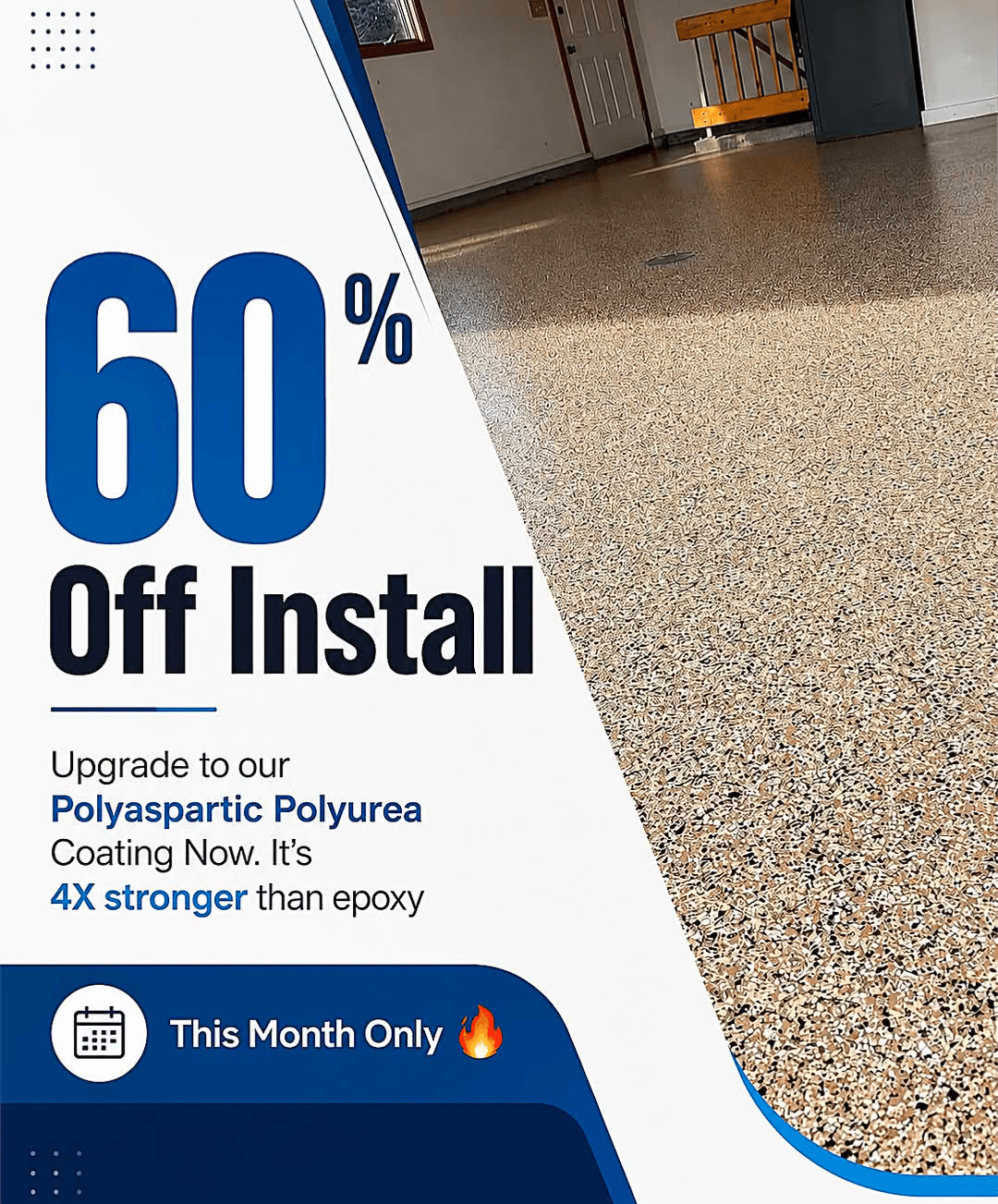
Your garage floor endures a lot – vehicle traffic, oil drips, chemical spills, and general wear and tear. Without proper protection, its appearance can quickly degrade, leading to stains, cracks, and an uninviting space. A high-quality coat sealer is the essential defense your garage floor needs, transforming it into a resilient, easy-to-maintain surface that stands up to daily abuse. Understanding what a coat sealer does and the options available is the first step toward preserving your investment and enhancing your property.
What is a Garage Floor Coat Sealer and Why is it Essential?
A garage floor coat sealer is a protective layer applied to concrete surfaces, designed to create a barrier against various forms of damage. Unlike a simple paint, a true sealer penetrates the concrete or forms a durable film, enhancing its structural integrity and surface resilience. It’s not just about aesthetics; it's about long-term preservation.
The benefits of applying a professional coat sealer are extensive. It significantly increases abrasion resistance, meaning fewer scratches and scuffs from tools, tires, and foot traffic. It provides a robust shield against chemical spills like oil, gasoline, antifreeze, and other automotive fluids, preventing them from soaking into the porous concrete and causing permanent stains. Furthermore, a good sealer repels moisture, reducing the risk of mold, mildew, and efflorescence. It also minimizes concrete dusting, making your garage a cleaner, healthier environment, and can even offer UV resistance to prevent fading and yellowing over time. Ultimately, a properly sealed floor is easier to clean, looks better, and lasts longer.
Exploring Types of Garage Floor Coat Sealers
The world of garage floor sealers offers a variety of formulations, each with distinct properties suited for different needs and applications. Choosing the right one is crucial for achieving the desired protection and longevity.
- Acrylic Sealers: Often water-based, acrylic sealers are popular for their ease of application and quick drying times. They form a thin, clear film that enhances the concrete's color and provides good protection against water, oil, and UV rays. While effective for basic protection and dust proofing, they typically offer less abrasion and chemical resistance compared to more robust options and may require reapplication every few years.
- Epoxy Sealers: Epoxy is renowned for its exceptional durability and strength. When applied as a clear topcoat, it creates a thick, hard-wearing surface that is highly resistant to chemicals, impacts, and abrasion. Epoxy sealers are often used in conjunction with a full epoxy coating system, but clear epoxy can also be applied directly to concrete for a high-performance protective layer. They offer superior adhesion and a long lifespan, making them a popular choice for heavy-duty garages.
- Polyaspartic and Polyurea Sealers: These represent the cutting edge in floor coating technology. Polyaspartic and polyurea sealers offer incredible strength, flexibility, and rapid cure times, allowing for quick return to service. They are highly resistant to UV yellowing, chemicals, and abrasion, making them ideal for both residential and commercial applications where extreme durability and a flawless finish are paramount. Their flexibility also helps them bridge minor cracks and resist chipping.
The best coat sealer for your garage depends on factors like your floor's current condition, the level of traffic and potential spills, and your budget. Professional assessment can help determine the optimal solution for your specific needs.
The Professional Advantage: Beyond DIY Sealing
While DIY kits for applying a coat sealer exist, achieving professional-grade results and long-term durability often requires expertise and specialized equipment. The success of any floor coating hinges significantly on meticulous surface preparation. This involves thorough cleaning, degreasing, repairing cracks, and often diamond grinding or acid etching to create a profile that allows the sealer to properly adhere.
Professionals possess the knowledge to select the correct type of sealer for your specific concrete, understand environmental factors like temperature and humidity that impact application, and apply the product evenly without streaks, bubbles, or missed spots. They also have access to higher-quality, commercial-grade materials that simply aren't available to the average consumer. Investing in professional application ensures a flawless finish, maximum protection, and a warranty that gives you peace of mind, saving you time and potential costly mistakes down the line.
Maintaining Your Sealed Garage Floor for Lasting Beauty
Once your garage floor has been professionally sealed, maintaining its pristine condition is straightforward. Regular cleaning is key to preserving its appearance and protective qualities. For routine maintenance, a soft-bristle broom or a dust mop is usually sufficient to remove loose dirt and debris. For deeper cleaning, a mild detergent mixed with water and a soft-bristle brush or mop will effectively clean the surface without damaging the sealer. Avoid using harsh chemicals, abrasive cleaners, or steel wool, as these can degrade the sealer over time. Promptly clean up any spills, especially automotive fluids, to prevent potential staining, even with a highly resistant sealer. With minimal effort, your sealed garage floor will continue to look great and provide superior protection for many years.
Frequently Asked Questions
How long does a garage floor coat sealer typically last?
The lifespan of a coat sealer varies significantly based on the type of sealer used, the amount of traffic it endures, and the quality of the application. Acrylic sealers might last 2-5 years, while high-performance epoxy, polyaspartic, or polyurea systems can last 10-20 years or more with proper maintenance.
Can a coat sealer be applied over an existing epoxy coating?
Yes, a clear coat sealer, often a polyaspartic or urethane topcoat, is frequently applied over an existing epoxy coating to enhance its durability, provide UV resistance, and add an extra layer of protection against scratches and chemicals. Proper surface preparation of the existing epoxy is crucial for adhesion.
What's the difference between a coat sealer and a full epoxy coating?
A coat sealer is typically a thinner, clear layer applied to protect the concrete or an existing coating. A full epoxy coating, on the other hand, is a thicker, often colored, multi-layer system that completely transforms the concrete surface, providing significant build-up, color, and texture, with a sealer often applied as the final topcoat.
Will a sealed garage floor be slippery?
Many clear coat sealers, especially those with a high-gloss finish, can be slippery when wet. However, professional installers can incorporate anti-slip additives, such as fine aggregates, into the final coat of the sealer to create a textured surface that significantly improves traction without compromising the floor's aesthetics or cleanability.
How long after application can I use my garage floor?
Cure times vary by sealer type. Acrylic sealers might be ready for light foot traffic in 24 hours. Epoxy sealers typically require 24-48 hours for foot traffic and 3-7 days for vehicle traffic. Fast-curing polyaspartic/polyurea sealers can often be walked on in a few hours and driven on within 24 hours. Your professional installer will provide specific guidance.
Does a coat sealer prevent hot tire pickup?
High-quality epoxy, polyaspartic, and polyurea coat sealers are highly resistant to hot tire pickup, a common issue where hot tires lift portions of less durable coatings or paint from the floor. Acrylic sealers offer less resistance to this phenomenon.
Ready to give your garage floor the ultimate protection it deserves? Don't let daily wear and tear diminish your property's value or appeal. Our team specializes in residential and commercial coating services, providing expert application of the highest quality coat sealer systems tailored to your specific needs. Contact us today for a free estimate and discover how a professionally sealed floor can transform your space into a durable, beautiful, and easy-to-maintain asset.