Considering a new concrete patio for your home? It's a fantastic investment that adds beauty, functionality, and value to your outdoor living space. As you plan, one of the first questions that comes to mind is often, "What is the cost of installing a concrete patio?" Understanding the various factors that influence the total price is key to budgeting effectively and making informed decisions. While there's no single answer, as costs can vary widely, this guide will break down everything you need to know to estimate your project accurately.
Key Factors Influencing Concrete Patio Installation Costs
The price tag for a new concrete patio isn't just about the concrete itself. Several elements combine to determine the final cost, and understanding these will help you gauge the scope of your project. Each decision you make, from size to finish, contributes to the overall investment.
- Size and Shape: Naturally, a larger patio requires more materials and labor, increasing the cost. Complex shapes with curves or multiple levels also demand more intricate formwork and skilled labor than a simple square or rectangle.
- Site Preparation: Before any concrete is poured, the site needs to be properly prepared. This can involve excavation to level the ground, removal of existing structures (like old patios or decks), grading for proper drainage, and compaction of the sub-base. Extensive site work will add to your overall expenses.
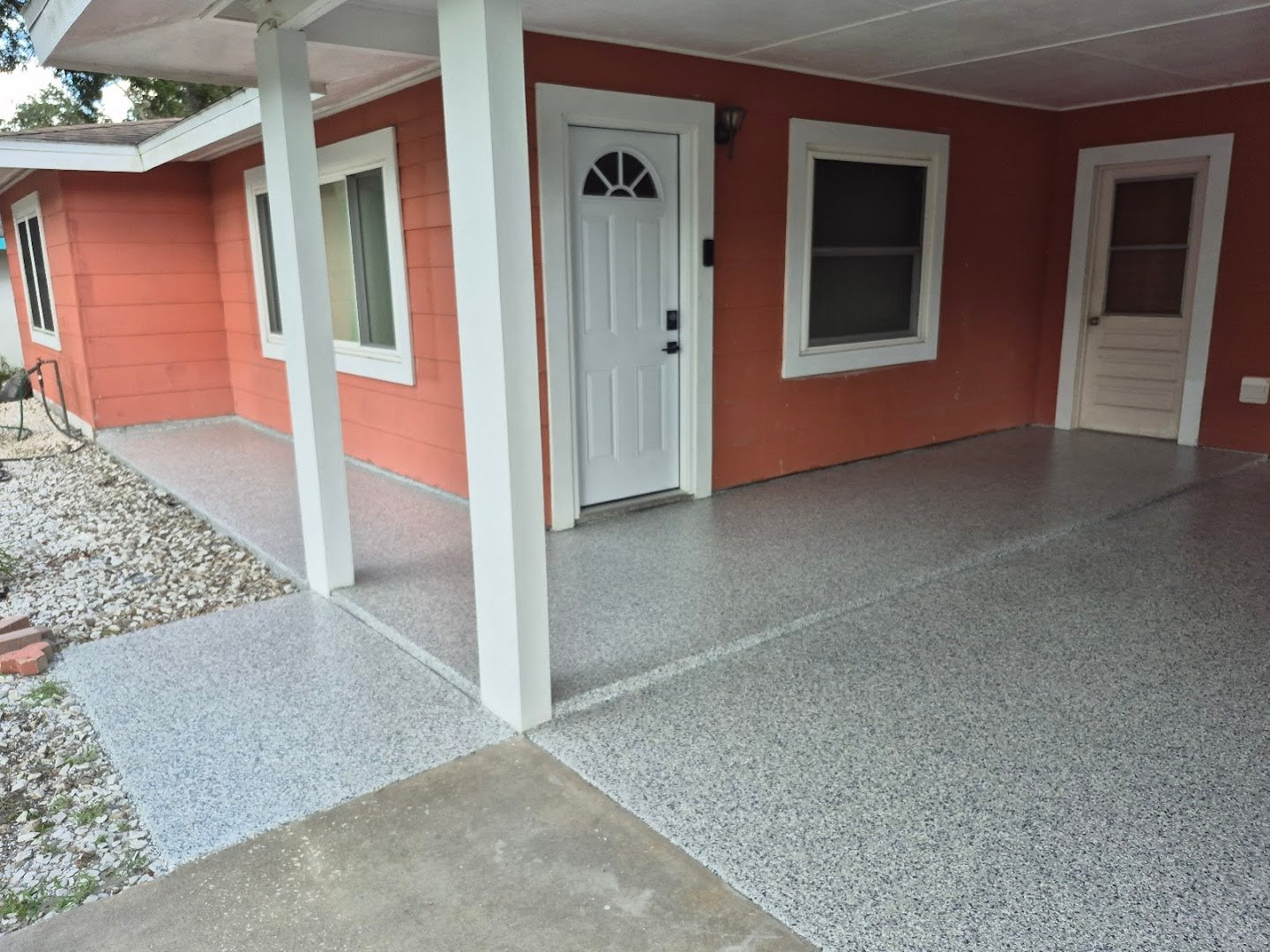
- Concrete Type and Finish: Standard gray concrete is the most economical option. However, many homeowners opt for decorative finishes that significantly enhance aesthetics but also increase costs. These include stamped concrete (mimicking stone, brick, or wood), stained concrete (adding color), exposed aggregate, or polished finishes.
- Reinforcement: To prevent cracking and increase durability, concrete patios often require reinforcement. Options include wire mesh, rebar, or fiber mesh mixed into the concrete. The type and amount of reinforcement will impact material costs.
- Accessibility: If the work area is difficult to access for heavy equipment or concrete trucks, labor costs might increase due to the need for more manual labor or specialized pumping equipment.
- Geographic Location: Labor rates, material costs, and permitting requirements can vary significantly by region and even within different areas of the same state.
Breaking Down the Cost Components: Materials vs. Labor
When you receive an estimate for your concrete patio, it typically includes both material and labor costs. Understanding what each component covers can provide clarity.
Material Costs: This category includes the concrete itself, any reinforcement (rebar, wire mesh), formwork materials, sealers, decorative stains or stamps, and any necessary base materials like gravel or sand. The quality and type of these materials directly influence the price. For example, higher-strength concrete or specialized decorative finishes will naturally cost more per square foot.
Labor Costs: Labor accounts for a significant portion of the total project cost. This covers the skilled professionals who handle every step of the installation process. Their work includes site preparation (excavation, grading), setting up forms, pouring and leveling the concrete, applying any decorative finishes, cutting control joints, and final cleanup. The complexity of the design and the chosen finish will impact the labor hours required.
Why Invest in a Professional Concrete Patio?
While the initial cost is a primary consideration, it's essential to look at the long-term value and benefits a professionally installed concrete patio brings. A well-executed concrete patio is more than just a surface; it's an extension of your home, designed for years of enjoyment.
- Durability and Longevity: Concrete is incredibly robust and, when properly installed and maintained, can last for decades, often outperforming other patio materials. It stands up well to weather, heavy use, and provides a stable, solid surface.
- Versatility in Design: Modern concrete patios offer unparalleled design flexibility. From sleek, contemporary finishes to patterns that mimic natural stone, brick, or wood, concrete can be customized to complement any home style and aesthetic preference. Staining and coloring options further expand the possibilities.
- Low Maintenance: Compared to wood decks that require regular staining or sealing, or paver patios that can shift and allow weed growth, concrete patios are relatively low maintenance. A simple cleaning and occasional resealing are typically all that's needed to keep them looking great.
- Increased Home Value: A beautifully designed and professionally installed patio enhances your home's curb appeal and functional outdoor living space, often providing an excellent return on investment should you decide to sell.
Maximizing Value: Decorative Options and Their Impact
Many homeowners choose concrete for its incredible versatility, especially when it comes to decorative options. These choices can significantly impact the overall cost but also elevate the aesthetic appeal and uniqueness of your patio.
Stamped Concrete: This popular option involves pressing patterns into freshly poured concrete to replicate the look of more expensive materials like flagstone, brick, cobblestone, or even wood planks. While it adds to the cost per square foot, it offers a high-end look at a fraction of the price of natural materials.
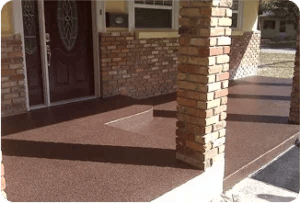
Stained Concrete: Acid stains and water-based stains can transform plain concrete into a vibrant, unique surface with rich, earthy tones or subtle, translucent hues. Staining is a cost-effective way to add color and character, often applied in conjunction with stamping or as a standalone finish.
Exposed Aggregate: This finish reveals the natural beauty of the stones and pebbles within the concrete mix, creating a textured, slip-resistant surface. It's a durable and attractive option that adds a tactile element to your patio.
Each decorative choice requires specialized techniques, additional materials, and skilled labor, contributing to a higher per-square-foot cost than basic concrete. However, the enhanced visual appeal and customization potential often make these upgrades a worthwhile investment for creating a truly unique outdoor space.
Frequently Asked Questions About Concrete Patios
Is a concrete patio cheaper than other patio materials?
Generally, poured concrete patios are more cost-effective than natural stone, brick pavers, or composite decking, especially for larger areas. While initial costs can vary, concrete often offers a better long-term value due to its durability and lower maintenance requirements.
How long does a concrete patio typically last?
A professionally installed and properly maintained concrete patio can last 30 years or even longer. Factors like climate, quality of installation, proper sub-base preparation, and regular sealing all contribute to its longevity.
What kind of maintenance does a concrete patio require?
Concrete patios are relatively low maintenance. Regular sweeping and occasional washing with a hose or pressure washer are usually sufficient. It's also recommended to reseal your patio every 2-5 years, depending on wear and tear and climate, to protect it from stains and weather.
Can I install a concrete patio myself to save on costs?
While DIY concrete projects are possible for very small, simple slabs, installing a patio requires significant expertise, specialized tools, and physical labor. Proper site preparation, precise leveling, correct concrete mixing, and professional finishing are crucial for a durable, attractive, and long-lasting result. Mistakes can be costly to fix. For best results and peace of mind, professional installation is highly recommended.
What factors affect the longevity of a concrete patio?
Several factors impact longevity, including the quality of the concrete mix, proper sub-base compaction, adequate drainage, the use of reinforcement (rebar or wire mesh), correctly placed control joints to manage cracking, and regular sealing to protect against moisture and temperature fluctuations.
Do I need a permit to install a concrete patio?
Permit requirements vary by municipality and the size/location of your patio. It's always best to check with your local building department before starting any outdoor construction project. A professional contractor like Trademark Garage Floors can often assist with navigating these requirements.
Understanding the cost of installing a concrete patio involves considering many variables, from the size and complexity of your design to the decorative finishes you choose. While this guide provides a comprehensive overview, the best way to get an accurate estimate for your specific project is to consult with experienced professionals. At Trademark Garage Floors, we specialize in creating beautiful, durable concrete surfaces for patios, driveways, basements, and more. We're committed to delivering exceptional quality and value, helping you bring your outdoor vision to life. Ready to discuss your dream patio and receive a personalized quote?
Contact Trademark Garage Floors today for a free, no-obligation estimate!