Basements are unique spaces within any home, offering incredible potential for extra living areas, entertainment zones, or functional storage. However, they also present distinct challenges when it comes to choosing the right flooring. Unlike upper levels, basements are prone to moisture, temperature fluctuations, and can have uneven subfloors. Selecting flooring in basements requires careful consideration to ensure durability, comfort, and aesthetic appeal for years to come. This comprehensive guide will walk you through the best options and key factors to consider for your lower level.
Why Basement Flooring Demands Special Attention
The environment below ground level inherently differs from the rest of your home. Basements are often cooler and more susceptible to humidity and even minor water intrusions. These conditions can wreak havoc on unsuitable flooring materials, leading to warping, mold growth, unpleasant odors, and premature wear. A successful basement flooring solution must be resilient against these elements, providing a stable and comfortable surface.
Beyond moisture, basements typically experience varying levels of foot traffic and usage. Whether it's a family room, home gym, or laundry area, the flooring needs to withstand daily activities while contributing to the overall ambiance. The subfloor, usually concrete, also dictates certain requirements, such as the need for proper preparation and sometimes a vapor barrier.
Top Flooring Options for Basements and Their Considerations
Choosing the right material is paramount. Here are some of the most popular and effective flooring in basements:
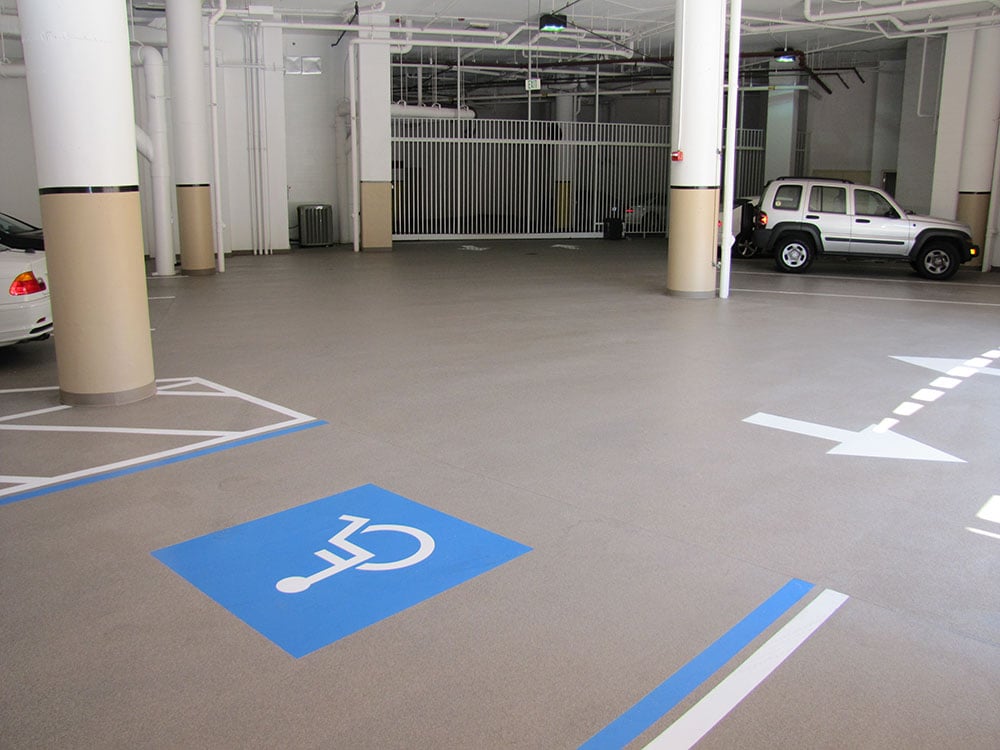
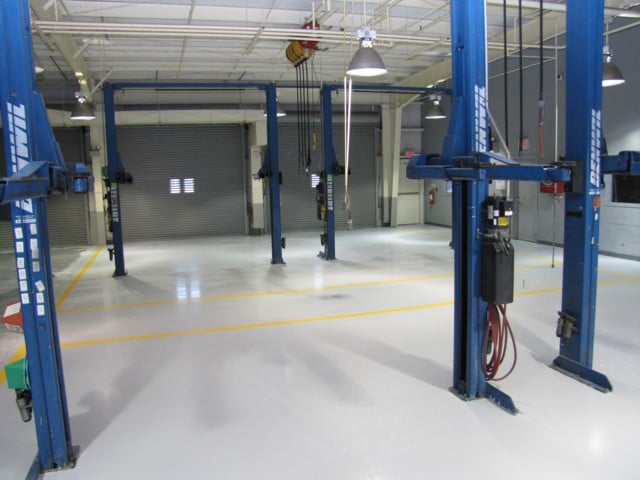
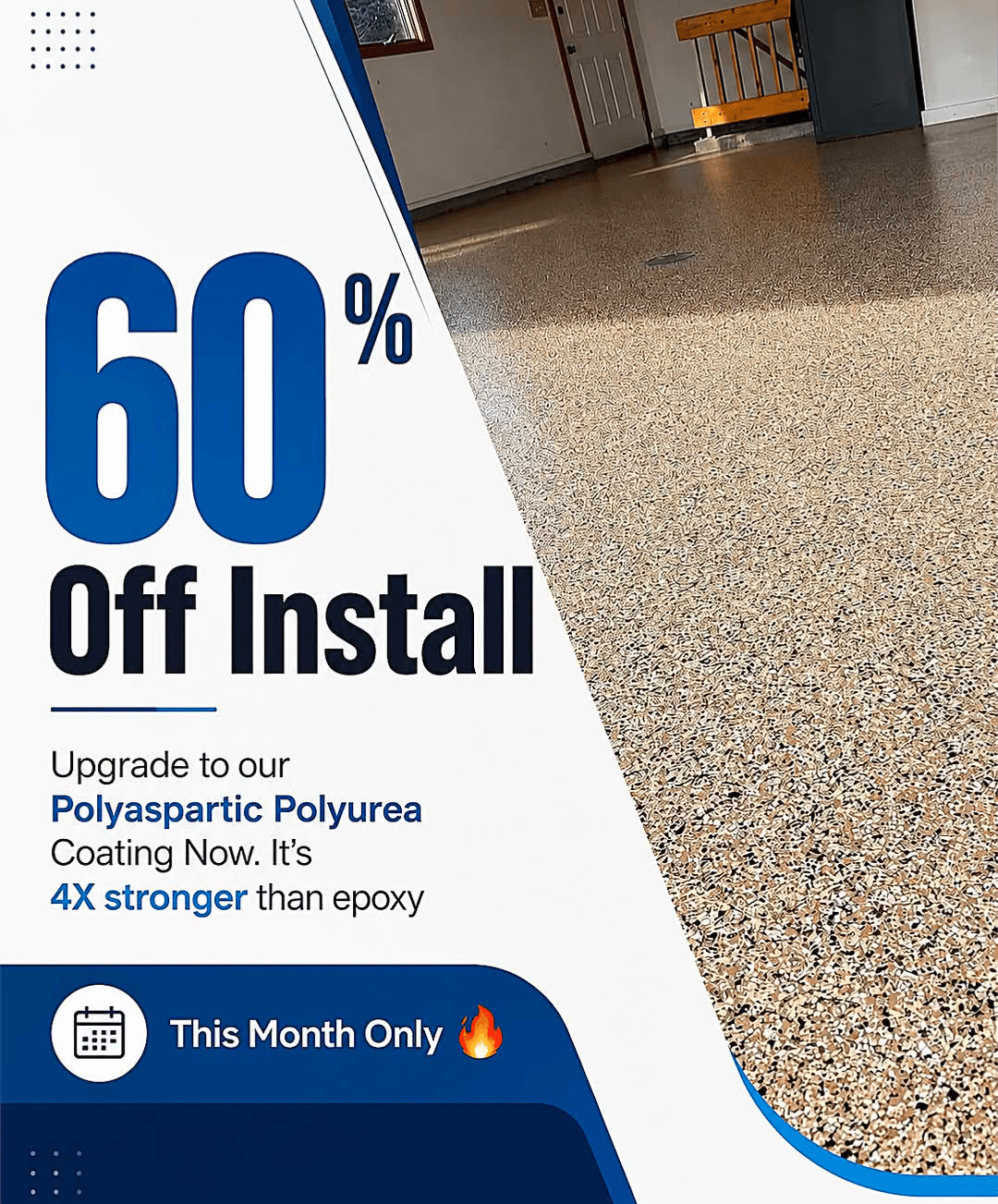
- Epoxy and Polyaspartic Coatings: These seamless, durable coatings are an excellent choice for basements. They create a non-porous, waterproof surface that is highly resistant to moisture, stains, chemicals, and abrasions. Available in a vast array of colors and finishes, including decorative flake systems, they transform a plain concrete slab into a vibrant, easy-to-clean floor. These coatings are ideal for high-traffic areas, workshops, and even finished living spaces, offering unparalleled longevity and protection.
- Luxury Vinyl Plank (LVP) and Luxury Vinyl Tile (LVT): LVP and LVT are highly popular for basements due to their exceptional water resistance and versatility. They mimic the look of hardwood or natural stone convincingly and are comfortable underfoot. Installation is relatively straightforward, often using a click-and-lock system, and they can be installed directly over concrete with a proper vapor barrier.
- Ceramic and Porcelain Tile: These tiles are inherently waterproof and incredibly durable, making them a solid choice for basements. They are resistant to scratches, stains, and moisture, and come in countless designs. However, tile can feel cold underfoot and requires a perfectly level subfloor for proper installation. Grout lines can also be susceptible to staining if not properly sealed.
- Engineered Hardwood: While traditional solid hardwood is generally not recommended for basements due to moisture sensitivity, some engineered hardwood products can be used with extreme caution. These feature a real wood veneer over a plywood core, offering more stability. However, a robust moisture barrier and strict humidity control are essential, making it a riskier option compared to others.
- Carpet (Specific Types): For warmth and comfort, certain types of carpet, particularly those made from synthetic fibers like nylon or olefin, can be considered. Look for low-pile options with moisture-resistant backing. Carpet tiles are also a good alternative, as individual tiles can be replaced if damaged by moisture. However, carpet remains the most susceptible to mold and mildew in damp conditions.
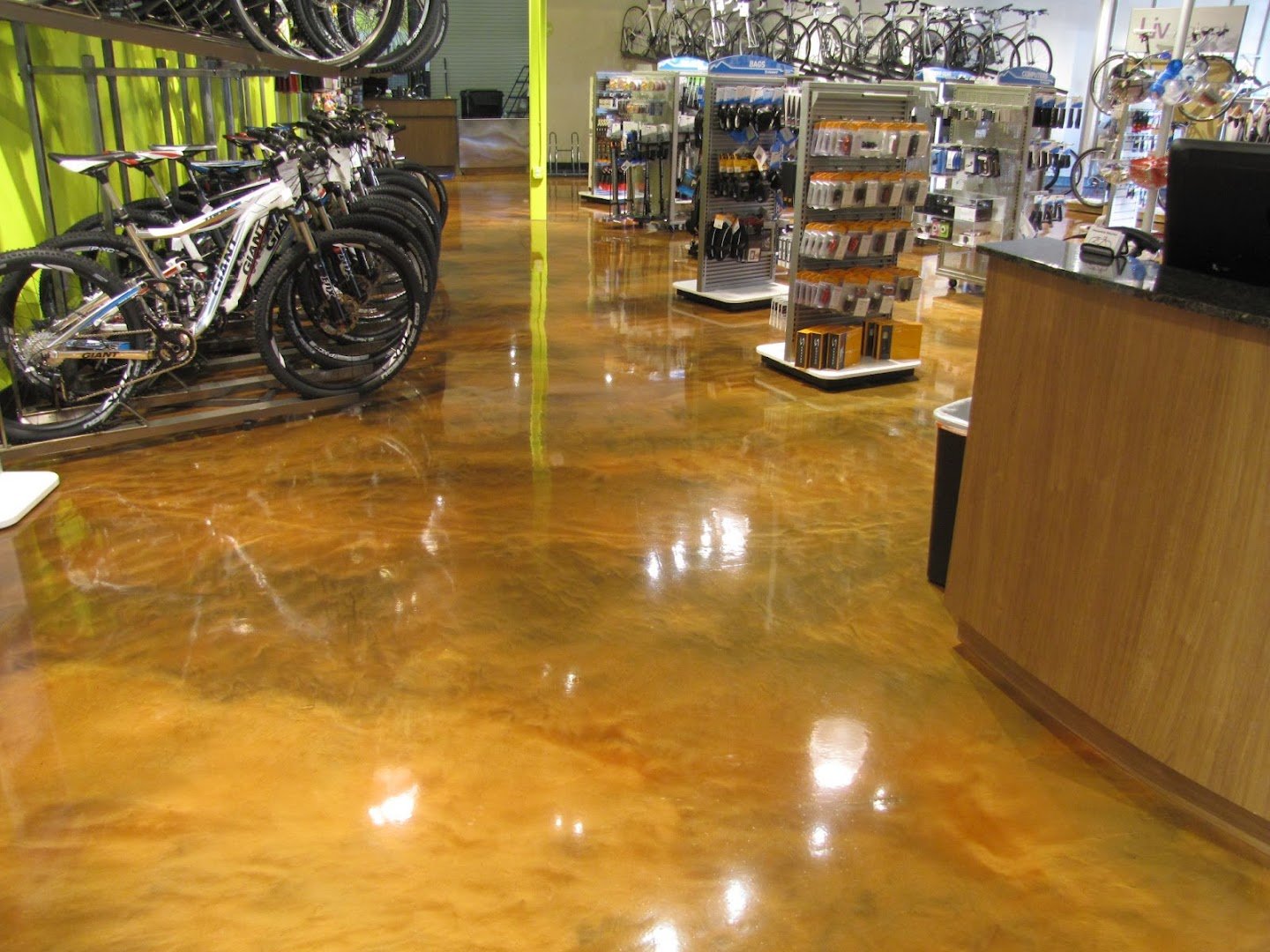
- Sealed or Polished Concrete: If you appreciate an industrial or minimalist aesthetic, simply sealing or polishing your existing concrete slab can be a cost-effective and highly durable solution. It's naturally waterproof, easy to maintain, and can be stained or dyed for a customized look. It can be cold and hard, so consider rugs or radiant heating for comfort.
Key Factors When Choosing Your Basement Flooring
Beyond the material type, several factors should guide your decision-making process:
- Moisture Resistance: This is the single most critical factor. Your chosen flooring must be able to withstand potential humidity, condensation, and even minor leaks without sustaining damage or promoting mold growth.
- Durability and Longevity: Basements often endure heavy use. Select a floor that can stand up to traffic, spills, and the general wear and tear of daily life, ensuring it lasts for many years.
- Comfort and Warmth: Concrete subfloors can be cold and hard. Consider materials that offer some insulation or cushioning, or plan for area rugs to enhance comfort.
- Aesthetics and Style: The flooring should complement the overall design and intended use of your basement space, contributing to an inviting atmosphere.
- Maintenance Requirements: Think about how much effort you're willing to put into cleaning and upkeep. Some materials are virtually maintenance-free, while others require more attention.
- Budget: Flooring costs vary widely. Establish a realistic budget that includes both material and installation expenses.
- Subfloor Condition: An uneven or cracked concrete subfloor will require significant preparation, which can impact your choice of flooring and overall cost.
The Benefits of Professional Basement Flooring Installation
While DIY projects can be rewarding, professional installation for flooring in basements offers significant advantages, especially given the unique challenges of the environment. Experts can accurately assess moisture levels, properly prepare the concrete subfloor, and apply materials with precision, ensuring a flawless finish and maximum longevity. This is particularly true for specialized coatings like epoxy or polyaspartic systems, which require specific equipment and expertise for correct application.
A professional team understands the nuances of different flooring materials and their suitability for basement conditions. They can advise on the best vapor barriers, adhesives, and installation techniques to prevent future issues. Investing in professional installation ensures your basement flooring is done right the first time, protecting your investment and providing peace of mind. Trademark Garage Floors brings extensive experience in creating durable, beautiful, and functional floor solutions for basements and other demanding areas.
Frequently Asked Questions
What's the best flooring for a damp basement?
For damp basements, the best options are materials with high moisture resistance. Epoxy and polyaspartic coatings, luxury vinyl plank (LVP), and ceramic or porcelain tile are excellent choices as they are non-porous and won't absorb water or promote mold growth. Always ensure a proper moisture barrier is in place.
Can I put hardwood flooring in my basement?
Solid hardwood is generally not recommended for basements due to its susceptibility to moisture and humidity, which can cause warping and buckling. Engineered hardwood can be used with extreme caution, but it requires a robust moisture barrier, strict humidity control, and professional installation to mitigate risks.
How much does basement flooring typically cost?
The cost of basement flooring varies significantly based on the material chosen, the size of the area, the condition of the subfloor, and whether professional installation is required. Basic options like sealed concrete might be less expensive, while specialized coatings or high-end LVP can be a greater investment. It's best to get a personalized estimate.
How long does basement flooring installation take?
Installation time depends on the type of flooring and the size of your basement. Simple click-and-lock LVP might take a few days, while comprehensive coating systems like epoxy or polyaspartic, which involve multiple layers and curing times, could take 3-5 days or more. Subfloor preparation can also add to the timeline.
What should I do to prepare my basement for new flooring?
Preparation is crucial. This typically involves clearing the space, cleaning the concrete subfloor thoroughly, repairing any cracks or unevenness, and performing a moisture test. Depending on the flooring, a vapor barrier may also need to be installed to prevent moisture from wicking up through the concrete.
Is a vapor barrier always necessary in a basement?
While not strictly required for every single type of flooring, a vapor barrier is highly recommended for most basement flooring installations. It acts as a protective layer, preventing moisture vapor from migrating up through the concrete slab and damaging your new floor. It's a small investment that offers significant long-term protection.
Choosing the right flooring in basements is a critical decision that impacts the comfort, functionality, and longevity of your lower level. By understanding the unique challenges and exploring the best material options, you can create a beautiful and resilient space. Ready to transform your basement with a floor that stands up to anything? Contact us today for a free, no-obligation estimate and let our experts help you find the perfect solution for your home.