
As temperatures drop and winter weather sets in, your garage becomes a battleground against the elements. Cold, moisture, road salt, and fluctuating temperatures can take a serious toll on your garage's structure, its contents, and especially its floor. Preparing your garage for winter isn't just about comfort; it's about preserving your investment, protecting your belongings, and maintaining a safe, functional space. This comprehensive guide will walk you through everything you need to know to fortify your garage against the harshest winter conditions.
Fortifying Your Garage Floor Against Winter's Assault
The garage floor is often the first casualty of winter. Road salt, de-icing chemicals, snowmelt, and constant temperature changes can lead to pitting, cracking, and staining on unprotected concrete. These issues not only look bad but can compromise the structural integrity of your floor over time. A robust, protective coating is your best defense.
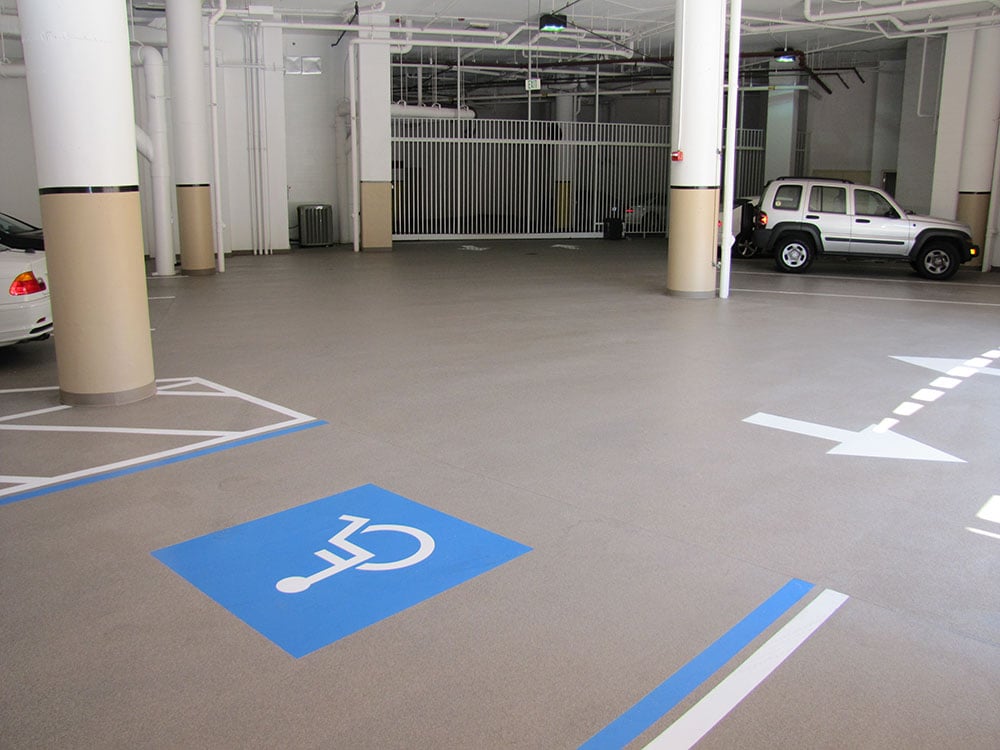
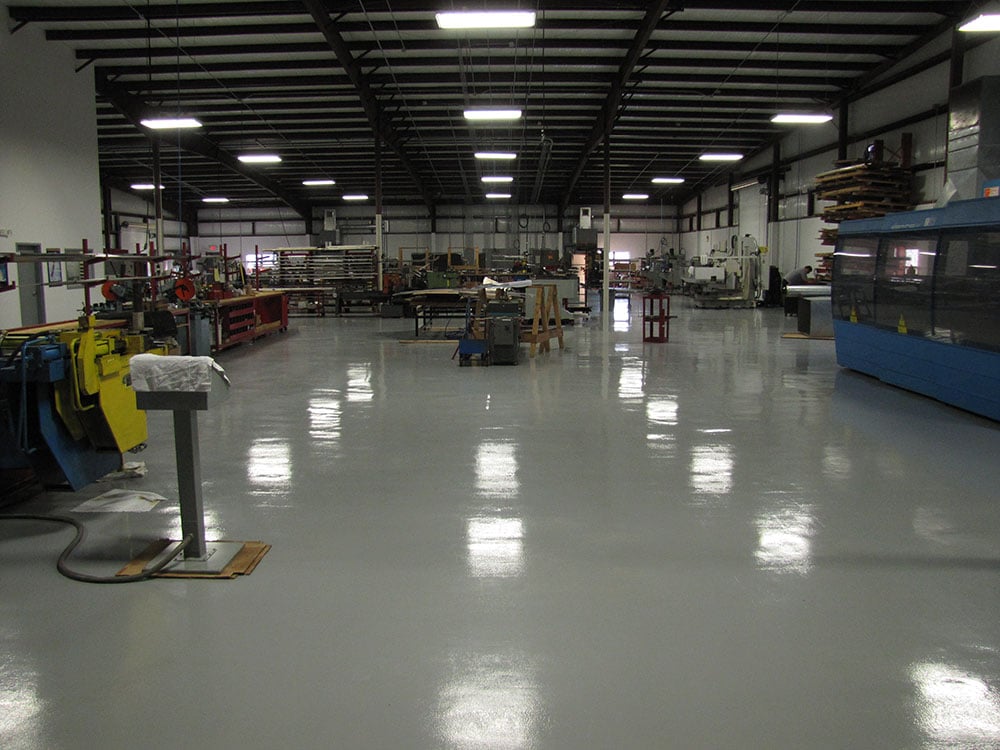
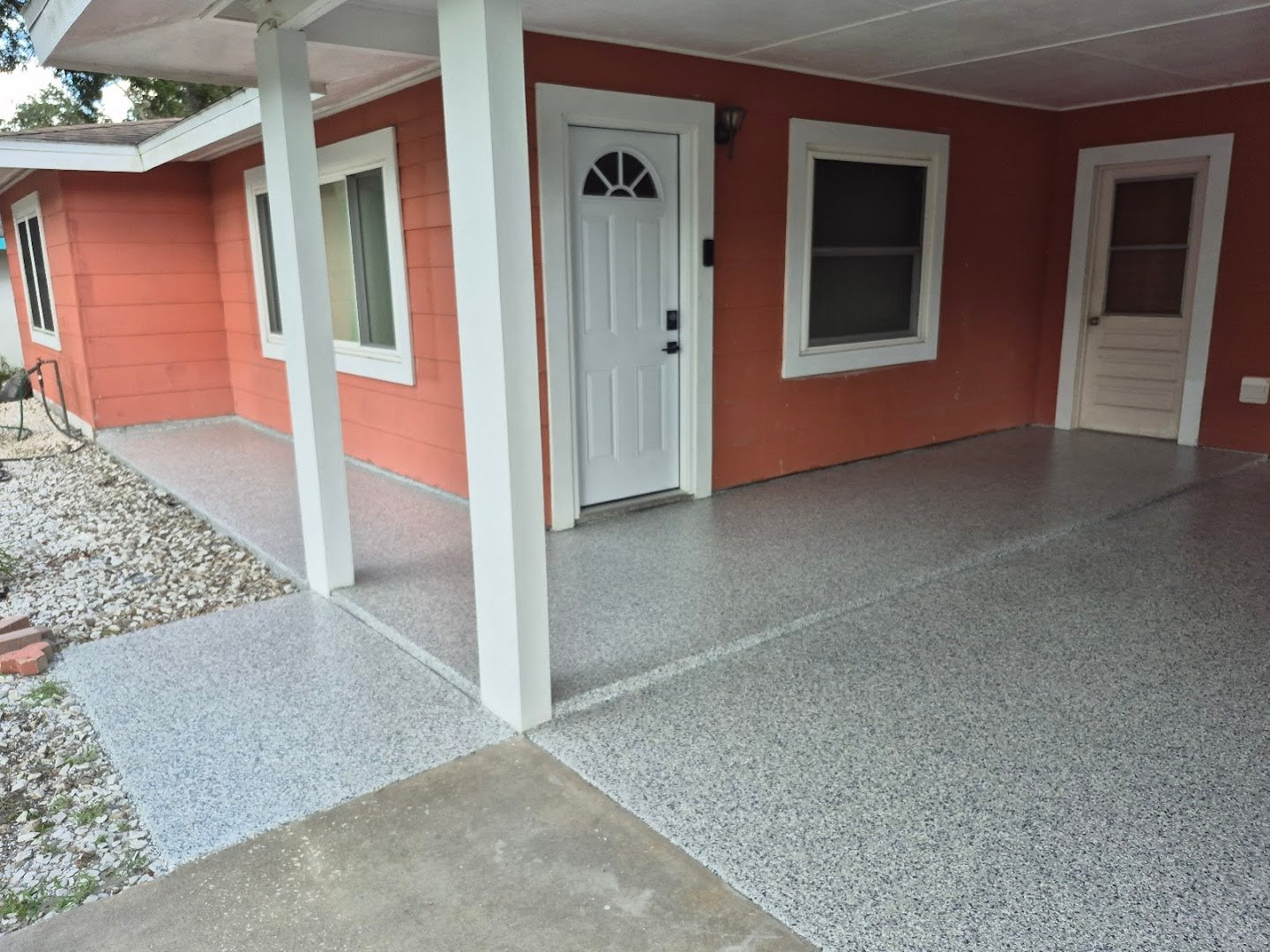
Epoxy and polyaspartic floor coatings offer a seamless, non-porous barrier that resists salt, chemicals, oil, and water. Unlike bare concrete, these surfaces are easy to clean, preventing corrosive substances from soaking in and causing damage. They also provide a much brighter, more inviting space, even on the gloomiest winter days. Investing in a high-quality floor system from a reputable provider like Trademark Garage Floors ensures your garage floor can withstand years of winter abuse, looking great all the while.
Sealing and Insulating for a Warmer, Drier Garage
A significant amount of heat loss in homes occurs through the garage, especially if it's attached. Proper sealing and insulation are crucial for keeping your garage warmer, reducing energy bills, and preventing moisture-related issues like mold and mildew. Start by inspecting all weather stripping around your garage door. Replace any cracked, brittle, or missing seals to create a tight barrier against drafts and moisture. Pay close attention to the bottom seal, which often takes the most abuse.
Consider insulating your garage walls and ceiling, if they aren't already. Even an unheated garage will benefit from insulation, as it helps stabilize temperatures and reduces the transfer of cold air. Insulating your garage door itself is also highly effective. Many DIY kits are available, or you can opt for an insulated door replacement. These measures not only make your garage more comfortable but also protect sensitive items stored inside from extreme cold.
Winterizing Your Garage Door and Opener for Reliable Operation
Your garage door is your primary access point, and a malfunctioning door in winter can be a major headache. Cold temperatures can stiffen moving parts, and ice can freeze mechanisms. Before winter hits, give your garage door and opener a thorough check-up. Lubricate all moving parts – rollers, hinges, and springs – with a silicone-based lubricant. Avoid grease, which can attract dirt and become gummy in cold weather.
Inspect the tracks for any debris or obstructions. Ensure the safety sensors are clean and properly aligned. For your garage door opener, check the battery backup, if applicable, and consider replacing it if it's old. Extreme cold can reduce battery efficiency. During snowy conditions, regularly clear snow and ice from around the base of the door and the tracks to prevent freezing and ensure smooth operation. A little preventative maintenance goes a long way in avoiding winter breakdowns.
Safeguarding Your Tools, Vehicles, and Stored Items
Winter's cold and dampness can be particularly harsh on tools, vehicles, and other stored items. To prevent rust on metal tools, ensure they are clean and dry before storing them. Applying a light coat of oil or using desiccant packs in toolboxes can help absorb moisture. For power tools, store them in their cases or sealed containers to protect them from condensation.
If you store a vehicle in your garage that isn't driven regularly, consider using a battery tender to keep the battery charged. This prevents the battery from dying in cold temperatures. For items like paint cans, chemicals, or electronics, check their manufacturer's recommendations for storage temperatures. Many products can be damaged by freezing. Organize your garage to keep frequently used items easily accessible, and consider elevated shelving to protect items from potential floor-level moisture.
Maintaining a Safe and Functional Winter Garage
Safety should always be a priority, especially when dealing with winter conditions. Ensure your garage has adequate lighting, as shorter daylight hours mean more time spent in the dark. Consider adding extra task lighting over workbenches. If you use a portable heater, ensure it's rated for garage use, kept away from flammable materials, and never left unattended. Proper ventilation is also key, especially if you're running vehicles or using chemicals.
Keep a supply of sand or non-clumping cat litter on hand to quickly address any icy patches or spills that could create slip hazards. A sturdy broom and shovel are essential for clearing snow and slush. By taking these proactive steps, you ensure your garage remains a safe, efficient, and well-protected space throughout the entire winter season.
Frequently Asked Questions
How cold is too cold for a garage?
While garages are designed to withstand varying temperatures, prolonged exposure to temperatures below freezing (0°C or 32°F) can be problematic. It can damage certain stored items, reduce the lifespan of garage door components, and make the space uncomfortable for use. Insulating and sealing can help maintain more stable, higher temperatures.
Should I heat my garage in winter?
Heating your garage is a personal choice based on how you use the space. If you use it as a workshop, gym, or frequently spend time there, heating can significantly improve comfort. For storage-only garages, insulation and sealing might suffice to protect items without the added energy cost of heating.
How do I prevent rust on tools in my garage during winter?
To prevent rust, ensure tools are clean and completely dry before storage. Apply a thin coat of oil (like WD-40 or machine oil) to metal surfaces. Storing tools in sealed containers with desiccant packs can also help absorb excess moisture in the air.
What's the best way to clean my garage floor after winter?
After winter, sweep away all loose debris, salt, and dirt. For a bare concrete floor, use a stiff brush and a concrete cleaner. For coated floors, a simple mop with warm water and a mild detergent is usually sufficient. Rinse thoroughly and allow to dry completely to prevent water spotting or mildew.
Can cold weather damage my garage door opener?
Yes, extreme cold can affect garage door openers. It can stiffen lubricants, reduce the efficiency of battery backups, and make the door heavier to lift, putting strain on the motor. Regular lubrication and checking the battery backup are important preventative measures.
Is it worth insulating my garage?
Insulating your garage is almost always worth it. It improves energy efficiency, makes the space more comfortable for use, protects stored items from extreme temperatures, and can even reduce noise transfer. It's a smart investment for both attached and detached garages.
Don't let the harsh realities of winter compromise your garage. By taking proactive steps to protect your floor, seal your space, maintain your door, and safeguard your belongings, you can ensure your garage remains a functional, comfortable, and well-preserved asset all year long. Ready to give your garage floor the ultimate winter protection it deserves? Contact us today for a free estimate on a durable, beautiful floor coating that will stand up to anything winter throws its way.