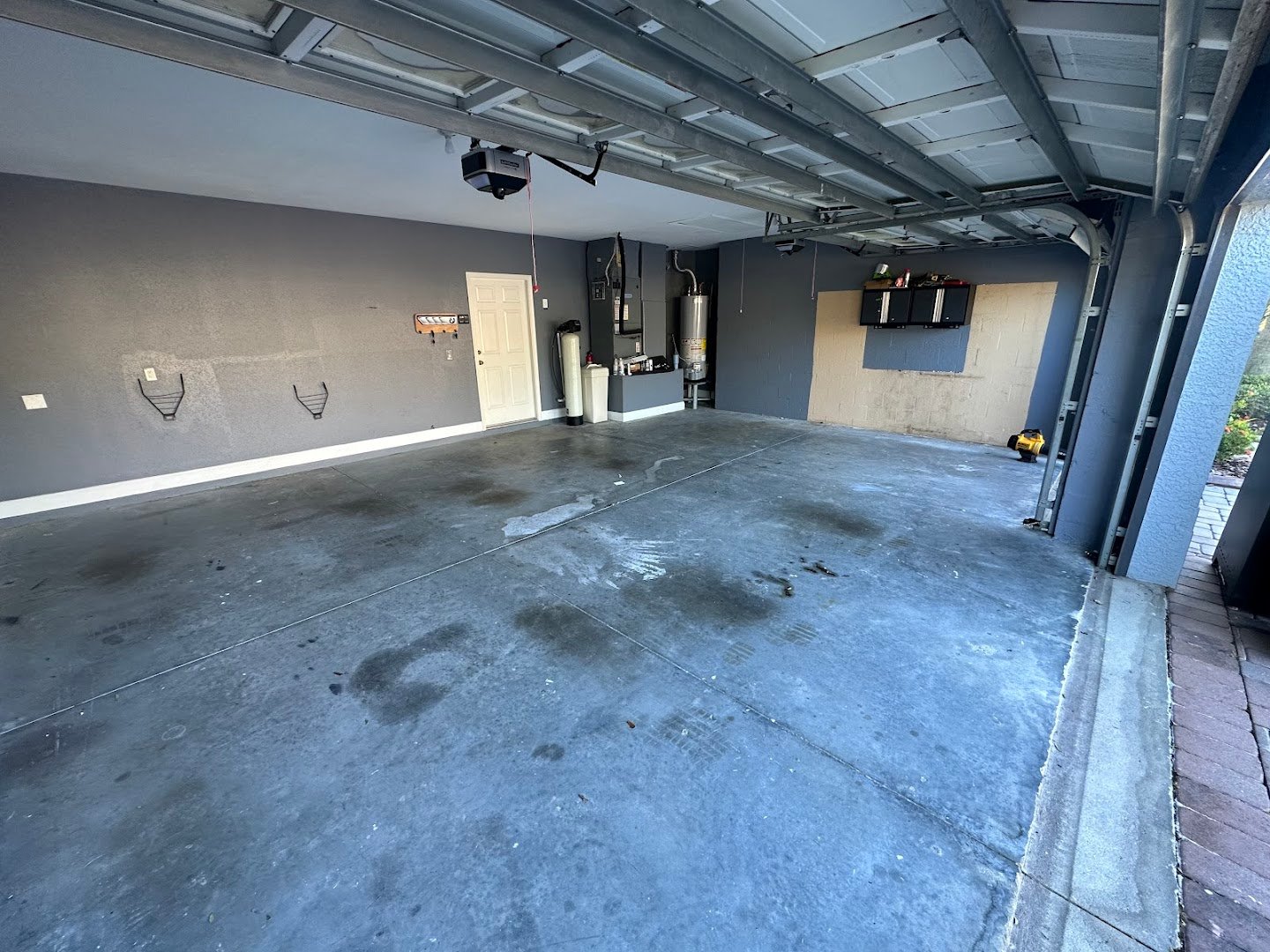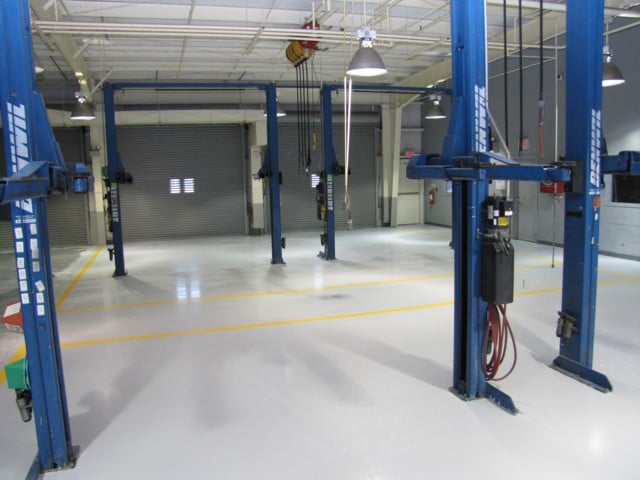

Quick answer: To prepare commercial concrete floors for Florida's busy fall season, inspect for damage early, deep clean the surface, repair cracks and spalling, and apply durable commercial concrete coatings before foot traffic peaks. Professional commercial floor coatings in Lakeland protect against moisture, heavy use, and wear during the region's busiest months.
Fall marks one of the busiest stretches for Florida businesses. Holiday shoppers, seasonal events, and returning snowbirds all mean more feet, more carts, and more pressure on your floors. If your commercial concrete isn't ready, small cracks and worn surfaces can turn into costly problems fast.
The good news? A little preparation now saves you major headaches later. This guide walks you through exactly how to get your floors ready—from the first inspection to the final coat. Whether you run a retail store, warehouse, or restaurant in Lakeland, these steps will help your floors handle whatever fall throws at them.
Key Takeaways
- Preparing your commercial concrete floors before fall protects them from heavy seasonal traffic, moisture, and wear.
- Proper prep includes inspecting, cleaning, and repairing the surface before applying durable commercial concrete coatings.
- Professional commercial floor coatings in Lakeland offer long-lasting protection built for Florida's humid climate and busy fall season.
Why does fall put extra stress on commercial floors?
Florida's fall season brings a surge of activity. As temperatures cool and tourists return, businesses see a spike in customers, deliveries, and daily operations. That increase translates directly to your floors.
Heavy foot traffic wears down unprotected concrete. Forklifts and carts leave scratches and gouges. And Florida's famous humidity doesn't take a break in fall—moisture can seep into untreated concrete, leading to cracks, mold, and surface damage over time.
Untreated floors also show dirt faster and become harder to clean. For businesses that rely on a professional appearance, a dull or damaged floor sends the wrong message during your busiest months.
When should you start preparing your floors?
Start early. Ideally, begin your floor prep in late summer, several weeks before fall traffic picks up. Coatings need time to cure properly, and rushing the process can compromise the finish.
Starting early also gives you room to schedule repairs and coating work around your operating hours. That way, you avoid disrupting business during peak season.
What are the steps to prepare commercial concrete floors?
Getting your floors ready involves a clear, proven process. Here's how professionals approach it.
Step 1: Inspect the surface
Walk the entire floor and note any problems. Look for cracks, chips, spalling (flaking concrete), stains, and areas of heavy wear. Pay close attention to high-traffic zones like entrances, loading docks, and checkout areas.
A thorough inspection tells you exactly what repairs are needed before any coating goes down.
Step 2: Deep clean the concrete
Coatings won't bond to a dirty surface. Remove all dirt, grease, oil, and old residue. Commercial spaces often need degreasing and pressure washing to strip away built-up grime.
For floors with existing coatings or sealers, grinding or shot blasting may be necessary to create a clean, textured surface that new commercial concrete coatings can grip.
Step 3: Repair cracks and damage
Fill cracks, patch spalled areas, and level uneven sections. Skipping this step means locking in existing damage—and it will only get worse under heavy fall traffic.
Quality repairs create a smooth, solid base that helps your coating last longer and perform better.
Step 4: Apply the right coating
Choose a coating built for commercial demands. Epoxy and polyaspartic coatings are popular choices because they resist abrasion, chemicals, and moisture while standing up to constant use.
For Florida businesses, moisture resistance matters most. The right commercial floor coatings in Lakeland are formulated to handle high humidity and prevent water damage from below.
Which coating is best for Florida's climate?
The best coating depends on your space and how you use it. Here's a quick breakdown:
- Choose epoxy if you want a durable, cost-effective option for warehouses, garages, and industrial spaces with heavy equipment.
- Choose polyaspartic if you need fast curing times and strong UV resistance—ideal for businesses that can't afford long closures or have areas exposed to sunlight.
- Choose moisture-mitigating systems if your building has high humidity or a history of water issues, which is common across much of Florida.
A professional coating contractor can assess your floor and recommend the best fit for your business.
Should you DIY or hire a professional?
DIY kits exist, but commercial floors demand professional results. The surface prep alone—grinding, repairing, and cleaning large areas—requires specialized equipment and experience.
A poorly applied coating can peel, bubble, or fail within months, costing you far more than the original job. Professional installers guarantee proper prep, correct application, and a finish designed to last for years.
Hire a professional if your floor sees heavy daily use, if you can't afford downtime from a failed coating, or if you want a warranty on the work.
Get your floors ready before the rush
Fall moves fast, and your floors take the brunt of it. Preparing now with durable, professional coatings protects your investment and keeps your business looking its best through the busiest season.
Trademark Concrete Coatings specializes in commercial concrete coatings built for Florida's demanding climate. If you want reliable, long-lasting commercial floor coatings in Lakeland, reach out today to schedule an inspection—before the fall rush arrives.
Frequently asked questions
How long do commercial concrete coatings last?
With proper installation and maintenance, quality commercial concrete coatings can last 10 to 20 years. Polyaspartic coatings often outlast standard epoxy, especially in high-traffic or high-humidity environments.
How long does it take to coat a commercial floor?
Timelines vary by floor size and condition, but most commercial projects take two to five days, including prep, repair, and curing. Polyaspartic coatings cure faster, sometimes allowing use within 24 hours.
Can you apply coatings to old or damaged concrete?
Yes. As long as the concrete is structurally sound, professionals can repair cracks and spalling, then apply a new coating. Severely damaged floors may need additional prep or resurfacing first.
Will a floor coating help with Florida's humidity?
Absolutely. Moisture-resistant and moisture-mitigating coatings are designed to block water vapor from seeping through concrete—a key benefit for businesses dealing with Florida's high humidity year-round.